The Tree of Life: the story behind InVita
The InVita logo is a Tree of Life, one of the oldest symbols people have drawn. Where it comes from, what it means today, and why it shapes the way InVita cares for people.
 Canopy
 Trunk
 Roots
The InVita logo is a Tree of Life: roots spreading below the ground, a single strong trunk, and a full canopy above, drawn in gold. It is one of the oldest symbols people have made. It also suits the name: InVita comes from the Latin in vita, meaning “in life”, a practice meant to be part of your life and to support you through every stage of it.
An ancient symbol
Versions of the Tree of Life appear in many of the world’s great cultures, often far apart in time and place.
In ancient Mesopotamia, Assyrian palace reliefs show a stylised sacred tree attended by winged figures. Scholars still debate exactly what it meant; the name "tree of life" is a modern one. In ancient Egypt, sacred trees were linked with the gods, and the sky goddess Nut was sometimes shown as a sycamore offering food and water to the dead, an image of nourishment and life beyond death.
In Norse mythology, the great world tree Yggdrasil holds the realms together, its roots and branches joining what lies below with what lies above. Maya tradition places a world tree, often a ceiba, at the centre of the world, linking the underworld, the earth and the sky.
The Abrahamic traditions carry the image too. The Book of Genesis places a tree of life in the Garden of Eden, and the Book of Revelation describes a tree whose leaves are "for the healing of the nations". The Quran compares a good word to a good tree, "its root firm and its branches reaching into the sky" (14:24).
Across all of these, the same ideas return: life that is nourished from below, a strong centre that holds everything together, growth towards the light, and the connection of every part to every other.
A modern symbol
In 1837 Charles Darwin sketched a small branching tree in his notebook, headed with the words "I think". When On the Origin of Species was published in 1859, its only illustration was a branching tree diagram, and Darwin wrote that the affinities of living things "have sometimes been represented by a great tree". Biologists still draw the tree of life today, to show how all living things are related.
Modern medicine has its own version of the idea. The body is not a set of separate parts: sleep, nutrition, movement, stress and hormones influence the heart, metabolism, skin and mood, and changes in one place often show up in another. Ageing is not something to fight but a stage of life to support, so that health keeps pace with the years.
What it means at InVita
The roots
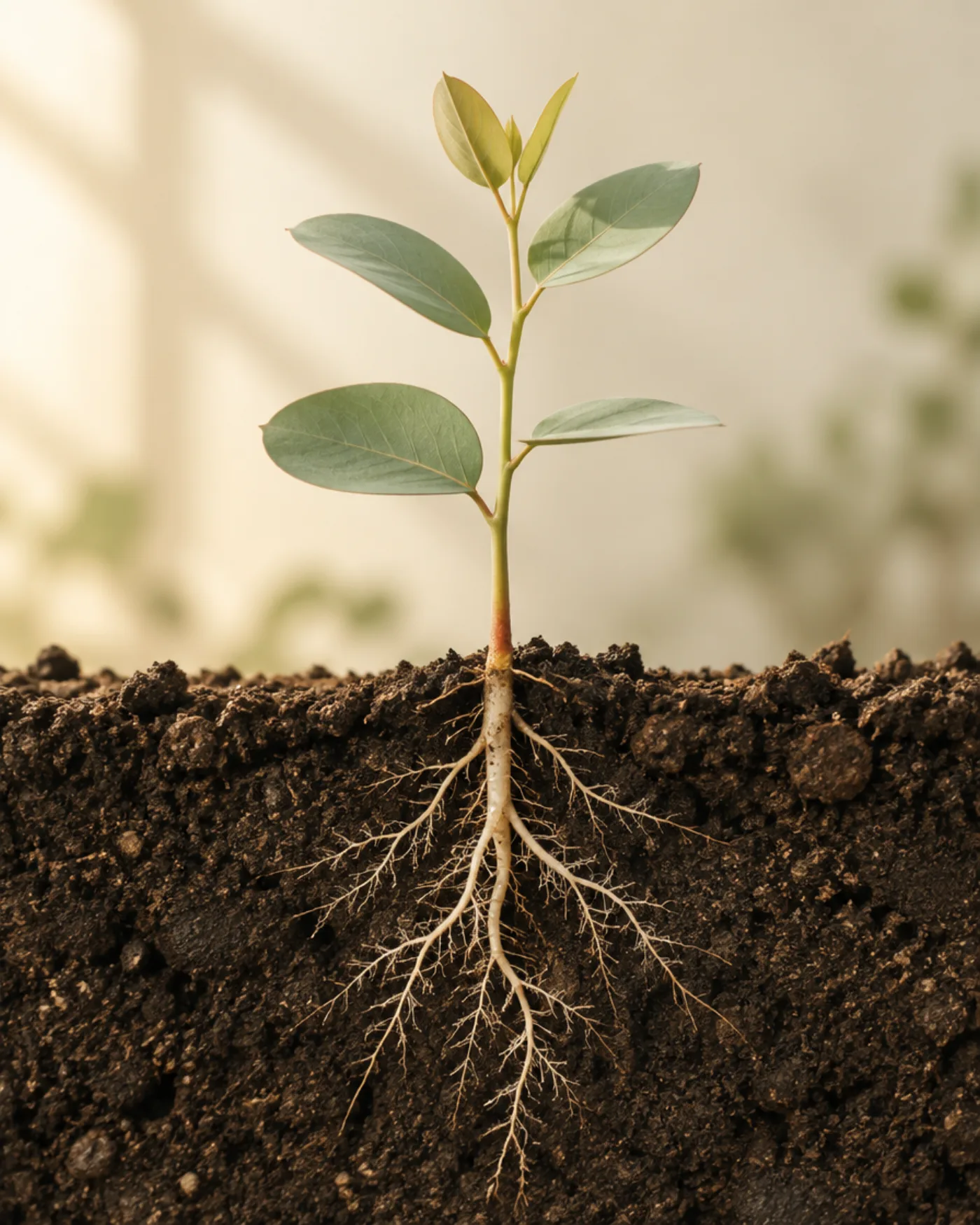
Sleep, nutrition, movement, hormones and emotional wellbeing are the foundations the rest of the body draws on. They are shaped by work, family and stage of life. When something changes at the root, it tends to show up somewhere else first.
The trunk
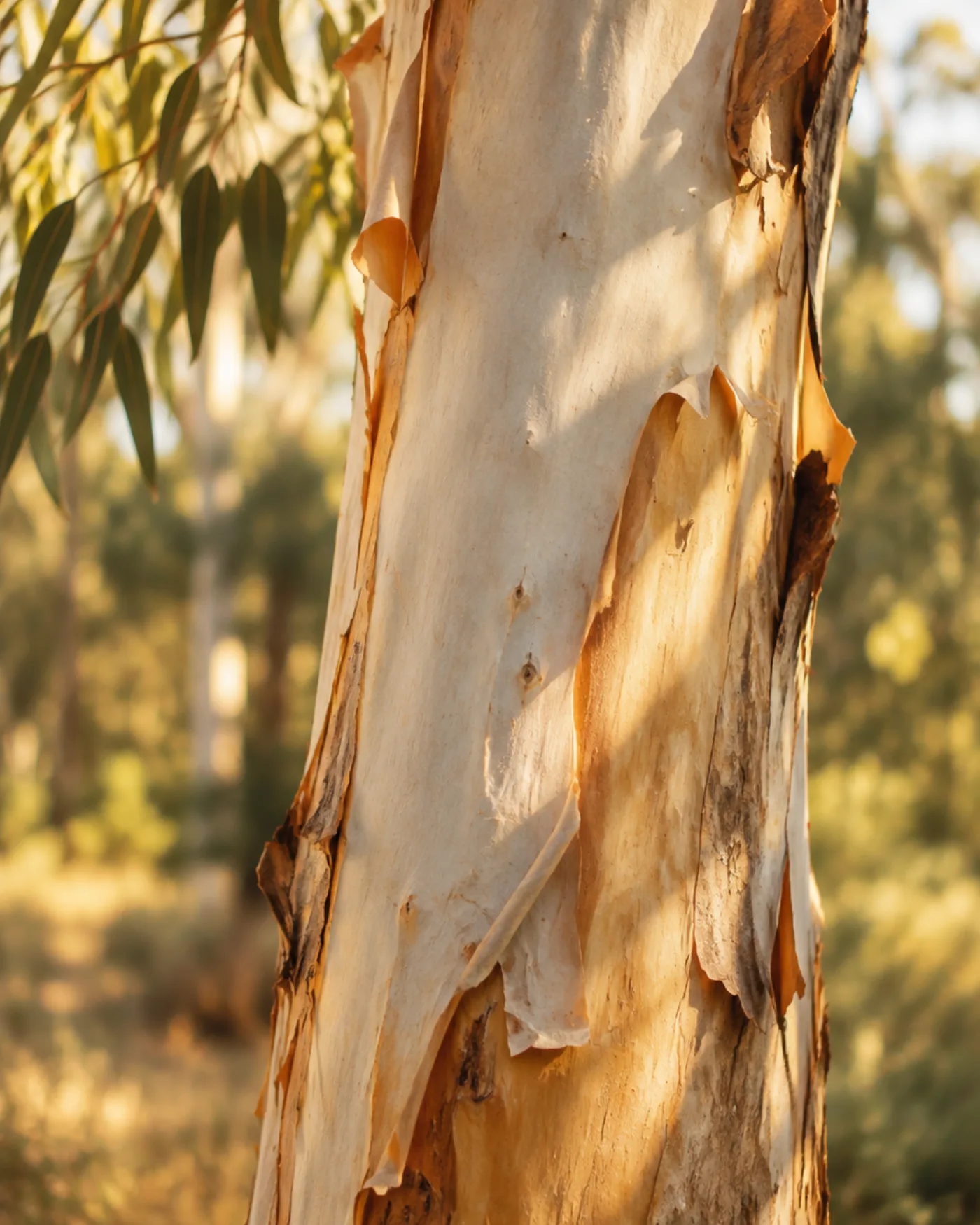
Between the roots and what we notice is everything that gives your health its particular shape: medical history, medicines, previous care and the realities of daily life. Two people with the same concern can need very different conversations because of what sits here.
The canopy
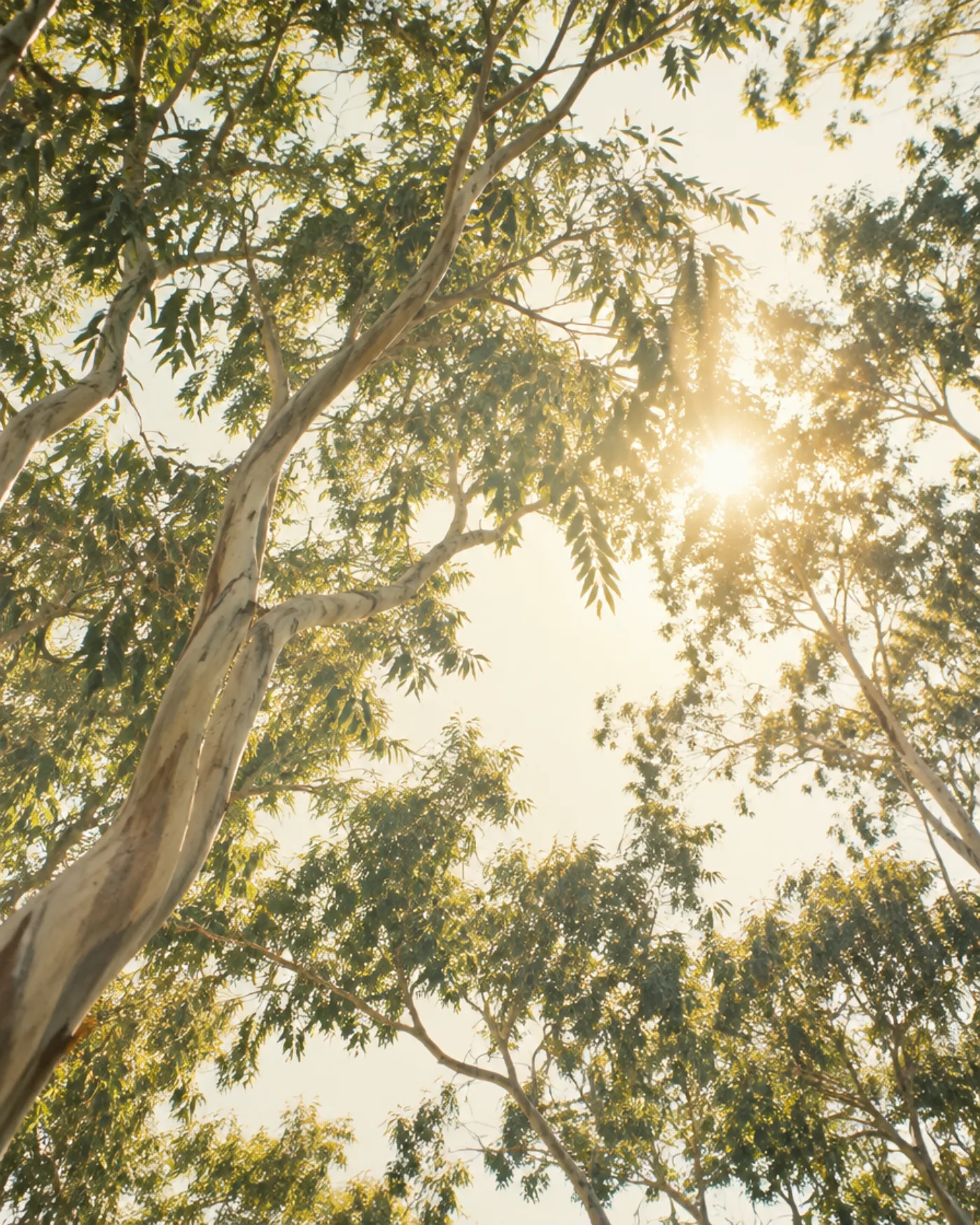
Skin, hair, the face and body, energy and mood are the parts of health that others see, and that we see in the mirror. They deserve care in their own right, and they are easier to understand, and to care for, when the whole tree is in view.
The rings
A tree adds a ring for every year it grows. Care at InVita is meant to work the same way: support through every stage of life, not a single appointment.
Where a conversation starts
A first consultation can begin anywhere on the tree, with whatever you have noticed. You do not need a diagnosis or a treatment in mind. Questions about sleep, routine and circumstances are part of the picture, and the next step might be practical advice, further assessment, a referral, time to think, or no treatment at all.